REVIEW · BOGOTA
Bogotá: Grand City Tour with Monserrate, Usaquén and Lunch
Book on GetYourGuide →Operated by Impulse Travel · Bookable on GetYourGuide
Few cities cram this much into one day.
This Bogotá grand city tour ties together big-hill views from Monserrate with an easy walk through historic streets and neighborhoods that feel genuinely different block to block. I like the way the cable car up to the sanctuary sets the tone fast, and I also like ending in Usaquén, where the narrow streets and weekend energy make the day feel rounded, not rushed.
The main thing to think about is time and day-of-week museum swaps: the Gold Museum is closed on Mondays and the Botero Museum is closed on Tuesdays, so the itinerary can shift. If you’re picky about seeing one specific museum, double-check what day you’re going.
In This Review
- Key highlights you should care about
- Cable car to Monserrate at 3,150 m
- La Candelaria and Chorro de Quevedo: where old Bogotá breathes
- From Universidad de los Andes to the Eje Ambiental
- Gold Museum and the San Francisco River corridor
- Parque Santander craft market time
- Botero Museum, timing, and how to handle tight schedules
- Plaza de Bolívar and inside the Primatial Cathedral
- Panoramic drive north: International Centre, La Macarena, National Park
- Ending in Usaquén: narrow streets and weekend energy
- What makes the guides matter here
- Pace, logistics, and value for $251
- Who this tour suits best
- Should you book this Bogotá grand city tour?
- FAQ
- How long is the Bogotá Grand City Tour with Monserrate, Usaquén and Lunch?
- Does the tour include hotel pickup and drop-off?
- What’s included in the price?
- Is there a skip-the-line benefit?
- Which museum is closed on Mondays?
- Which museum is closed on Tuesdays?
- What languages are the guides available in?
- What should I bring for the tour?
Key highlights you should care about
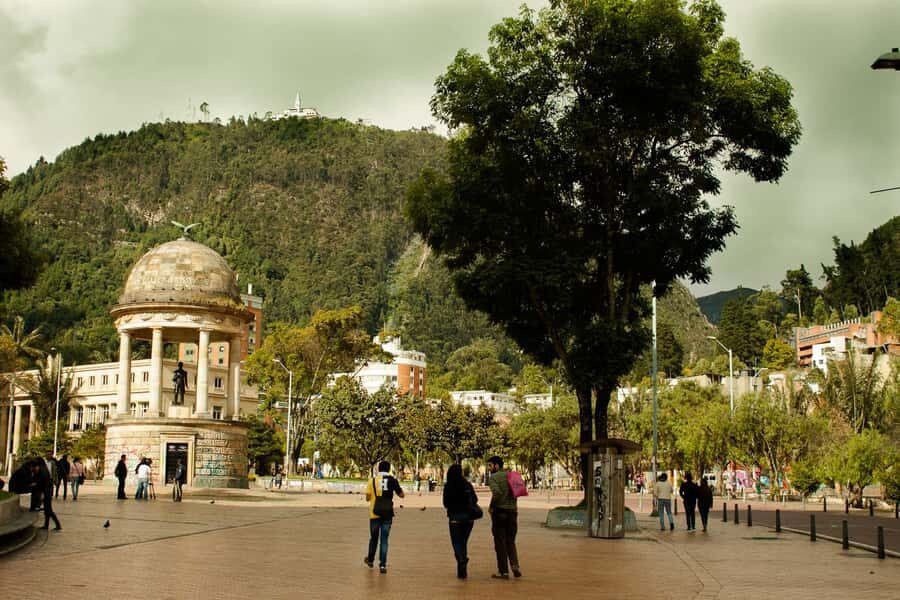
- Monserrate by cable car for panoramic views from 3,150 meters
- La Candelaria cobblestones and the old-city atmosphere around 400+ years of history
- Museums that anchor the story: Gold artifacts on Jiménez Avenue and Fernando Botero’s works
- Urban design stops along the Eje Ambiental and the Rogelio Salmona project
- Plaza de Bolívar and the Primatial Cathedral in Bogotá’s administrative heart
- Usaquén finish with narrow streets and the weekend flea market vibe
Cable car to Monserrate at 3,150 m
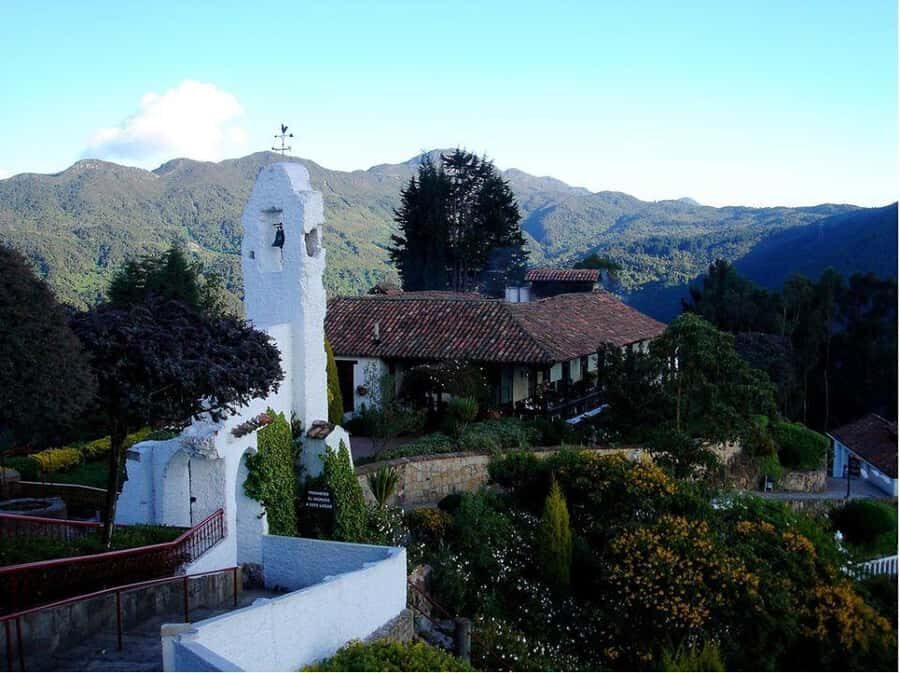
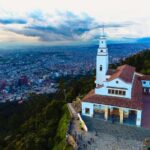
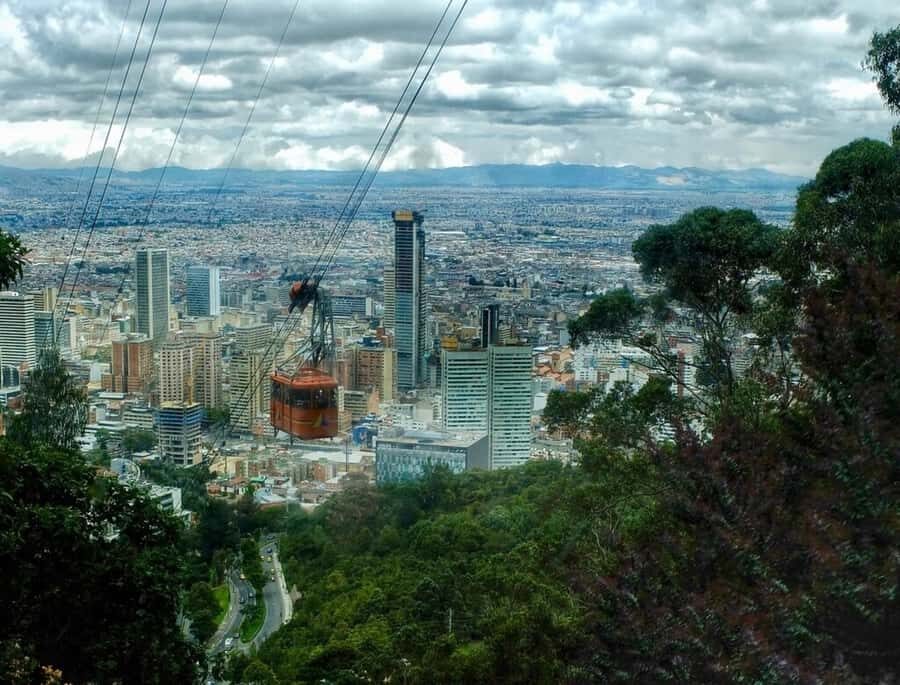
If you want one part of Bogotá to feel instantly iconic, it’s the climb to Monserrate. This tour takes you up to the Monserrate Sanctuary sitting high on the eastern hills at about 3,150 meters above sea level. The key move is riding the cable car rather than grinding it out on foot. You get those wide, slow views as you rise, and you reach the pilgrimage site with less hassle than you’d have on your own.
Bring a jacket. Even when Bogotá’s lower neighborhoods feel mild, the hill air can bite. And because weather can swing, pack rain gear too. If you’re sensitive to altitude, don’t treat it like a sprint—take a few minutes when you arrive, sip some water, and let your breathing settle.
Also, I like that this stop is more than a photo op. The sanctuary location gives you a real sense of how Bogotá sits in a basin with hills around it. From there, the rest of the day’s neighborhoods make more sense.
You can also read our reviews of more city tours in Bogota


La Candelaria and Chorro de Quevedo: where old Bogotá breathes
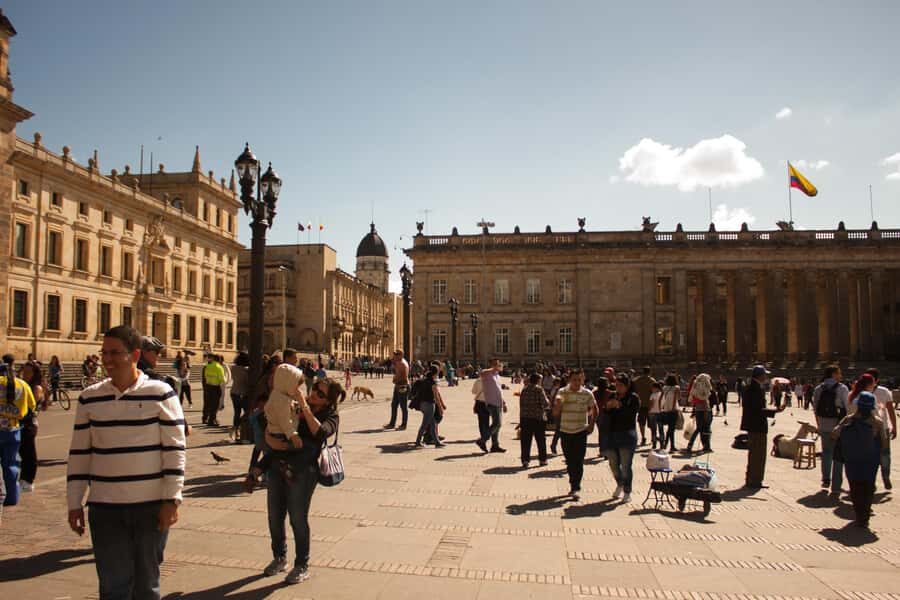
After Monserrate, the tour moves into the historic core. You’ll wander La Candelaria on cobblestone streets that hold more than 400 years of history. This is the part of Bogotá where you’ll feel the city’s personality—student life, religious history, craft markets, and that mix of local routine with visiting energy.
One of the practical reasons I’m a fan of this route is that it pairs walking with guidance. You’re not just ambling. You get context while you stroll—why certain areas matter, what you’re looking at, and what changed over time. That matters in Bogotá, because the architecture and street patterns can look random if you don’t know what to notice.
The tour also brings you to Chorro de Quevedo, a spot known for the contrast of Bogotá’s old center. It’s a good place to pause and just watch the flow of people for a few minutes.
From Universidad de los Andes to the Eje Ambiental
You’ll get a taste of Bogotá’s modern rhythm too. The itinerary includes a stop where you can notice the student atmosphere around the Universidad de los Andes campus. It’s a useful contrast right after the old cobblestone wandering. You shift from “history you can see” to “life happening right now,” and it keeps the day from feeling like a museum-only checklist.
Then you follow the Eje Ambiental, guided along the idea of how the city developed around the river system that gave it life. The tour also points out an urban project linked to architect Rogelio Salmona. I like this part because it reminds you that Bogotá’s story isn’t only about old churches and old streets. It’s also about planning decisions—how people try to shape public space.
If you’ve never thought about Latin American city design as something you can walk through, this segment changes that. You don’t need to be an architecture nerd to enjoy it. You just need to look with your guide’s cues.
Gold Museum and the San Francisco River corridor
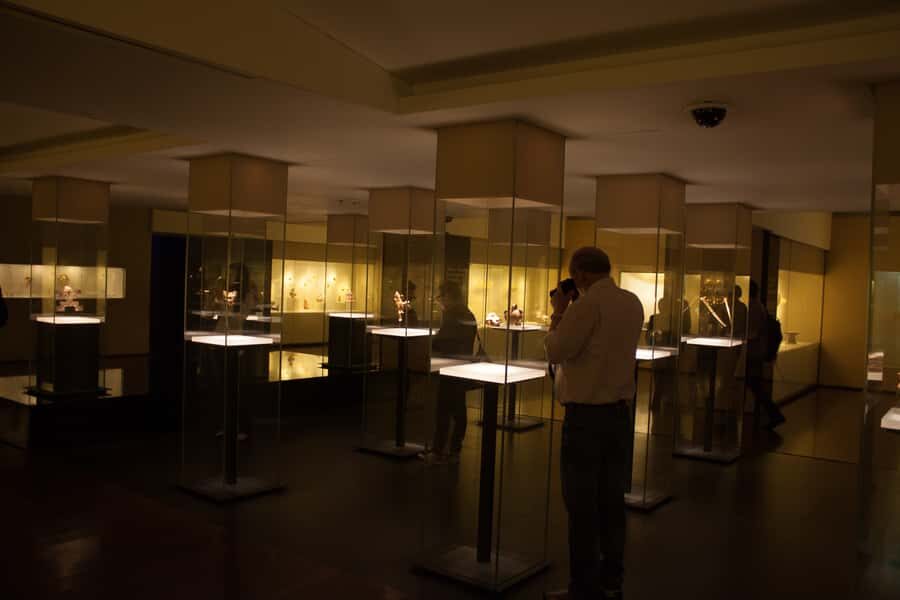
Next comes a strong anchor for Bogotá’s cultural story: the Gold Museum. The route follows the San Francisco River toward Jiménez Avenue, where the museum’s collection focuses on indigenous gold artifacts.
This is one of those stops that works best when you’re ready to slow down. Plan on paying attention to what you see rather than trying to speed through. The tour includes time here and keeps the connection between geography and culture clear, so it doesn’t feel like a random “go inside and hope” museum stop.
One key note for planning: the Gold Museum is closed on Mondays. If your date lands on a Monday, the tour will visit another museum instead, based on the group’s interests. If gold artifacts are the whole point for you, build your schedule around that.
Parque Santander craft market time
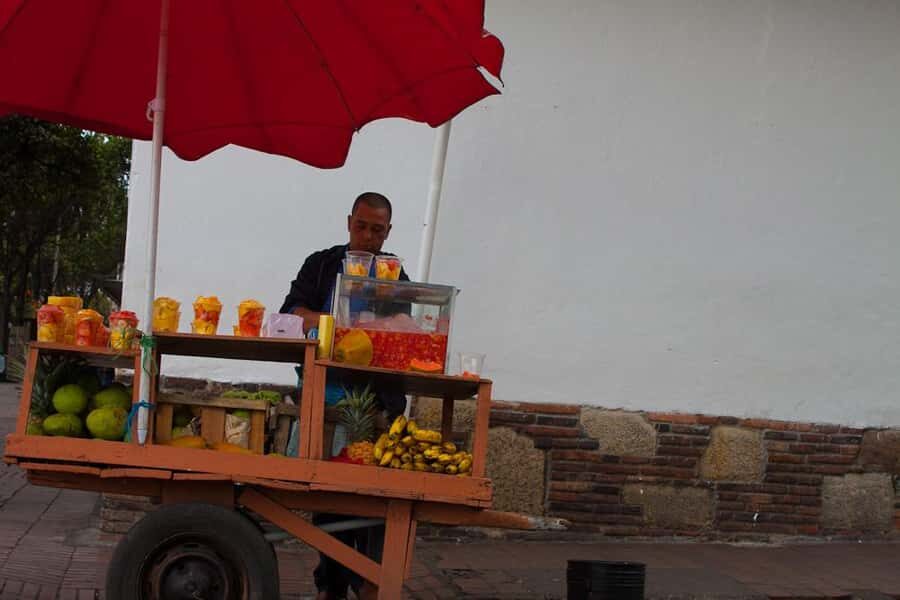
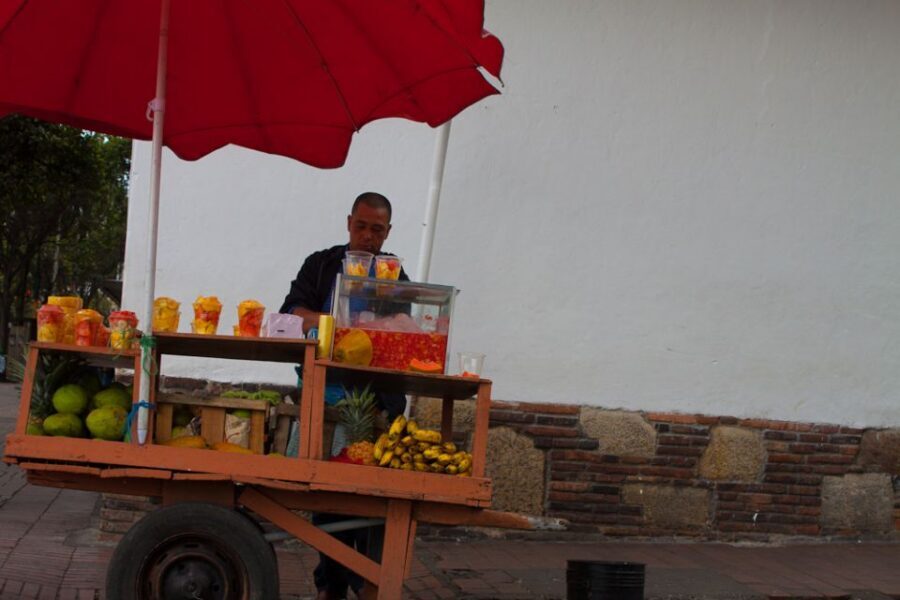
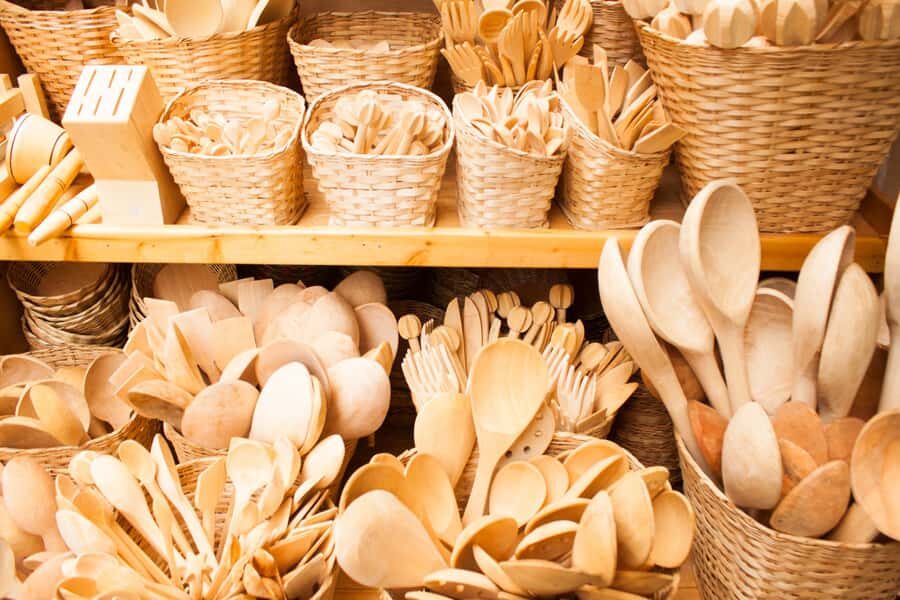
Between big-ticket sights, you’ll get a chance to shop for handicrafts at the market area near Parque Santander. This is the part of the day where you can shift gears: from monuments and museums to something tangible you can carry home.
I think this is where the tour earns its “grand” label. It isn’t only about official sights. It gives you time to interact with local craft culture in a public, walkable space. You don’t have to buy anything—just browsing is part of the experience.
A practical tip: set aside small bills for snacks and souvenirs, since you’ll likely find lots of temptations once you start looking closely at the goods.
A few more Bogota tours and experiences worth a look
Botero Museum, timing, and how to handle tight schedules
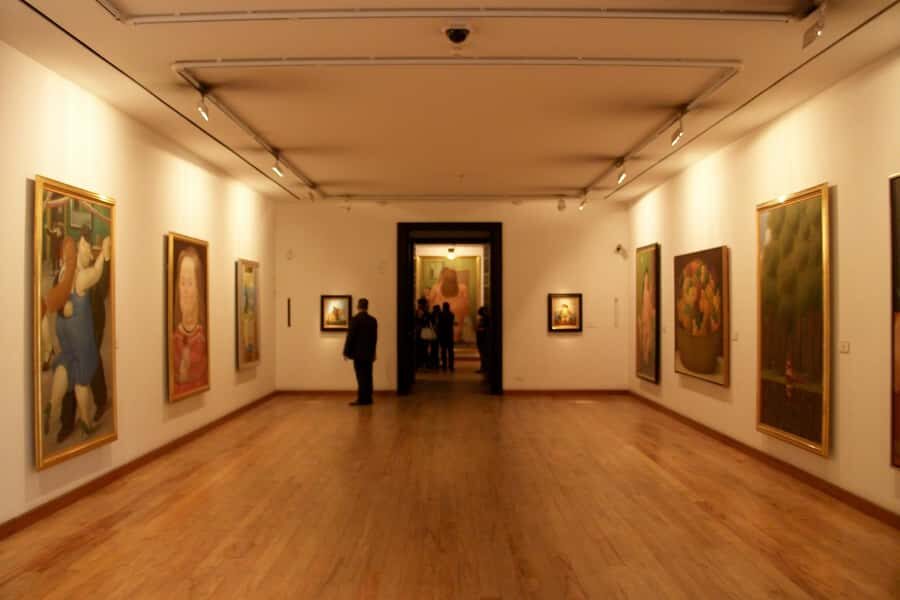
The tour continues through La Candelaria again, stopping for the Botero Museum, where you’ll see works by Colombian artist Fernando Botero. This is a very Bogotá choice: strong personalities, recognizable art, and a famous local figure you can wrap your head around quickly.
One thing to keep in mind: the Botero Museum is closed on Tuesdays, and if your day falls on Tuesday you’ll visit a different museum instead. Also, this stop is a bit time-sensitive because the day is packed. If you’re hoping to read everything wall-to-wall, you may wish you had more time. If you’re more “see the highlights, then move on,” you’ll feel better about the pace.
Plaza de Bolívar and inside the Primatial Cathedral
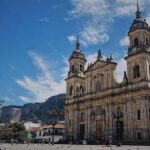
When the tour hits Plaza de Bolívar, you’re in Bogotá’s historic epicenter. This is the administrative and government heart of the city, and the scale of the square helps you understand why this place matters.
The itinerary includes time to explore the plaza and to see key administrative buildings around it. Then you can go inside the Primatial Cathedral. Even if you’re not a religious architecture person, this is worth it because it anchors the old-center story in a real, lived-in setting.
If you’re photographing, watch your timing. Square lighting can change fast, and interior areas can be dim compared to the outside. Wear shoes you can stand in—this is less about sprinting and more about steady walking.
Panoramic drive north: International Centre, La Macarena, National Park
After the old center, you’ll ride in the car for a panoramic look toward the north side of the city. The tour mentions views of the International Centre, the La Macarena neighborhood, and the National Park area.
This drive is a helpful “connect-the-dots” moment. It gives you perspective on where the neighborhoods sit relative to each other, and it breaks up the day before the final walking portion.
One reason drives can be smart on a full-day tour in Bogotá: traffic and walking distances can add up fast. Having a guided route keeps you from wasting energy and time just figuring out the best order.
Ending in Usaquén: narrow streets and weekend energy
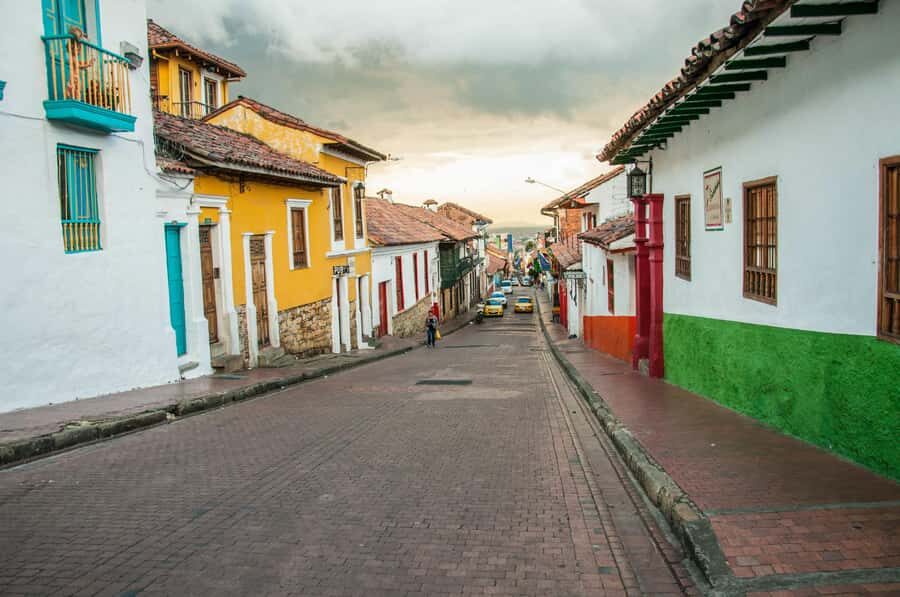
You finish in Usaquén, a cozy neighborhood known for narrow streets and a weekend flea market vibe. This ending works well because it’s slower than the cathedral-plaza sprint. It gives you something to do with the energy you have left—browse, snack, people-watch, and feel the city’s local side.
If you’re the kind of traveler who likes a neighborhood finale, this is a good choice. If you prefer nightlife or a big central landmark at the end, you might find this quieter than you expected. But for most first-time visitors, it’s a relaxing capstone.
What makes the guides matter here
The quality of the guide is a big part of why a tour like this works. In the experiences I’ve seen, guides bring both city knowledge and a friendly teaching style.
Names that have come up include Gigio, Raul, Filipe, Daniel, and Jhovannoty. The common thread is enthusiasm plus local context—explaining not only what you’re seeing, but why it’s arranged the way it is and how Bogotá grew into itself.
I’d treat the guide as your translator for the city. Ask questions at stops you care about. If you love art, ask about Botero’s role locally. If you care about architecture, ask what to look for in the urban design segments. That’s where a guided day turns from “a route” into an experience.
Pace, logistics, and value for $251
This tour is 8 hours, with hotel pickup and drop-off by private transportation and a live guide in English or Spanish. It includes the cable car ticket, lunch at a local restaurant, and entry tickets to the sites you visit. There’s also a benefit called skip-the-ticket-line, which is worth something in places where lines can form.
Price-wise, $251 per person sounds like a lot until you break down what’s bundled: guide time, transportation, cable car, attraction tickets, and lunch. The day is also structured so you’re not bouncing between distant neighborhoods on your own. That reduces both stress and the risk of missing key stops.
One caution on cost and paperwork: the total price you pay doesn’t include 19% V.A.T. for foreigners entering as tourists, and you may need to submit a passport copy and a photo of the entry stamp as proof for that tax benefit. If you want this handled smoothly, send the documents promptly.
Who this tour suits best
This is a great fit if:
- You’re in Bogotá for a short time and want the major anchors in one day: Monserrate, old center walking, museums, and Plaza de Bolívar.
- You like a balance of viewpoints (panoramas), walks (La Candelaria), and “why it matters” context from your guide.
- You want lunch included without having to plan it.
It’s less ideal if:
- You want a slow, fully flexible day with no museum time pressure.
- You can’t handle weather changes and don’t pack a jacket and rain gear.
- You’re traveling specifically to see the Gold Museum on a Monday or the Botero Museum on a Tuesday. Museum closures can swap what you get.
Should you book this Bogotá grand city tour?
If you want the best first-day blueprint for Bogotá—high views, old streets, major museums, and a cozy neighborhood finish—this tour is a smart booking. The included cable car, lunch, tickets, and guided pacing make it good value for an 8-hour plan.
Book it especially if you like structure but still want real walking time. If you’re museum-focused, plan your day around closures (Gold Museum closed Mondays, Botero Museum closed Tuesdays) so you know what you’ll see. And pack for weather and altitude basics. Do those two things, and you’ll get a full, satisfying picture of Bogotá without the usual guesswork.
FAQ
How long is the Bogotá Grand City Tour with Monserrate, Usaquén and Lunch?
The tour lasts 8 hours.
Does the tour include hotel pickup and drop-off?
Yes. Pickup and drop-off are included by private transportation.
What’s included in the price?
The price includes a live guide (English or Spanish), a cable car ticket, lunch at a local restaurant, attraction tickets, and hotel pickup/drop-off.
Is there a skip-the-line benefit?
Yes, the tour includes skip-the-ticket-line.
Which museum is closed on Mondays?
The Gold Museum is closed on Mondays, and the tour will visit another museum based on group interests.
Which museum is closed on Tuesdays?
The Botero Museum is closed on Tuesdays, and the tour will visit another museum based on group interests.
What languages are the guides available in?
Guides are available in Spanish and English.
What should I bring for the tour?
Bring comfortable shoes, a jacket, rain gear, and your passport or ID card. A copy is accepted.