REVIEW · BOGOTA
Graffiti Tour in La Candelaria Bogotá with Transportation
Book on GetYourGuide →Operated by Gran Colombia Tours · Bookable on GetYourGuide
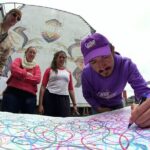
Three hours, and La Candelaria tells stories in paint. I love the private transportation with hotel pickup because it cuts logistics and gets you into the right neighborhoods fast. I also like how the guide connects each mural to the socio-political meaning behind it, not just the art style.
One thing to plan for: it’s a walking tour rain or shine, and lunch is not included. If you’re sensitive to puddles (or hot pavement), wear grippy shoes and bring a light rain layer.
In This Review
- Key highlights you’ll care about
- La Candelaria graffiti: what this tour is really about
- Hotel pickup and private transport: easier city-walking than it sounds
- Chorro de Quevedo and Bolíva r Square: your orientation moment
- The narrow street of indigenous ancestry: where the walls get specific
- La Concordia marketplace and Park of La Concordia: downtown as a pressure cooker
- Women artists: why this tour makes that the point
- Journalists Park and the 1960s writer crowd: art across time
- Café Herencia finish with Carlos Trilleras murals
- Coca leaf tea: small stop, big cultural signal
- Price and value: what $48 buys you in Bogotá time
- A couple of practical considerations
- Who should book—and who might prefer something else
- Should you book this La Candelaria graffiti tour?
- FAQ
- How long is the graffiti tour in La Candelaria?
- Where does the tour start?
- Is hotel pickup and drop-off included?
- Do I get private transportation?
- What languages is the live guide?
- Is coca leaf tea tasting included?
- What’s included in the price?
- Is lunch included?
- Will the tour run in bad weather?
- Is this a private group tour?
Key highlights you’ll care about
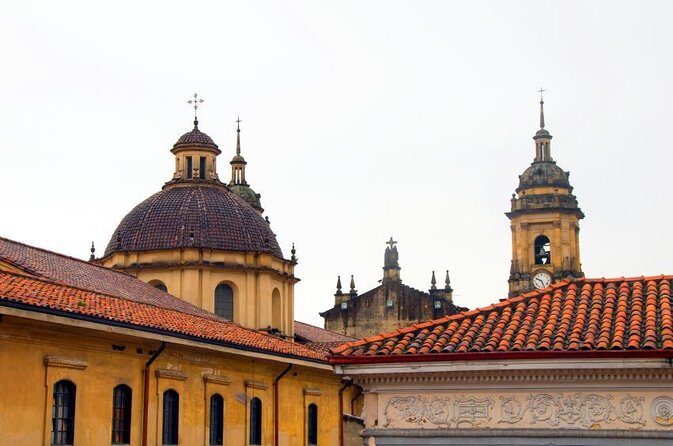
- Chorro de Quevedo Plaza start sets the tone and gives you quick context before you hit the walls
- Indigenous ancestry murals on narrow streets show how Bogotá’s identity shows up in paint
- La Concordia marketplace + Park of La Concordia frames downtown as a meeting point of ideas
- Women artists in the spotlight highlights who’s shaping the street-art conversation
- Journalists Park promenade connects art today to the 1960s writers’ scene
- Café Herencia finish lets you end with more work by Carlos Trilleras
La Candelaria graffiti: what this tour is really about
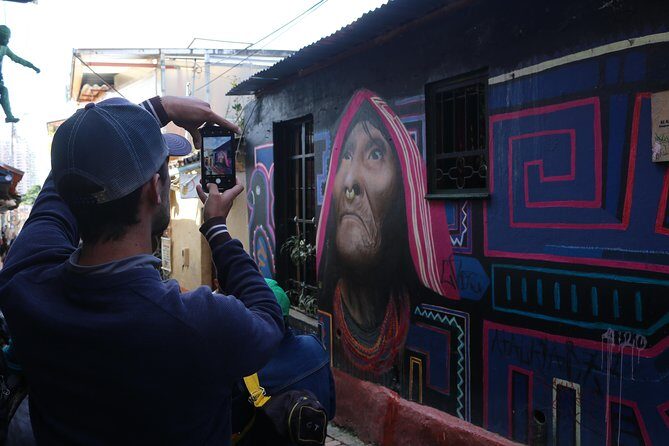
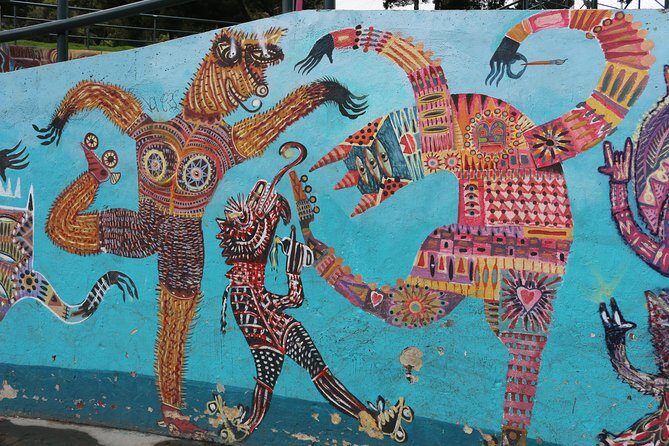
This is a street-art tour with a brain. Yes, you’ll see strong murals by local artists, including names like Ledania, 3 Manos, Wosnan, Ocio4, Bastardilla, Vera, and Erre. But what makes the experience click is the way the guide explains why the art exists—how graffiti becomes a public voice for identity, memory, and power.
You’ll also get a sense of Bogotá as an evolving city. The stops are chosen to show different “layers” of downtown: places where art lives next to daily life, and spots where the political story behind the walls feels almost unavoidable. If you’ve ever looked at graffiti and thought, I get the look, but what’s the point—this tour answers that question.
You can also read our reviews of more tours and experiences in Bogota.
Hotel pickup and private transport: easier city-walking than it sounds
You’re not just being dropped somewhere and pointed at murals. You get hotel pickup and drop-off plus private transportation, which matters a lot in Bogotá’s traffic and street layout. It also keeps the tour rhythm smooth—especially when you’re switching between viewpoints and walking blocks of different sizes.
In practical terms, this means you can focus on the art instead of playing navigation roulette. And if you’re traveling with someone (partner, small group, friends), a private setup is also just less stressful: less waiting, fewer interruptions, and more time to ask questions.
Chorro de Quevedo and Bolíva r Square: your orientation moment
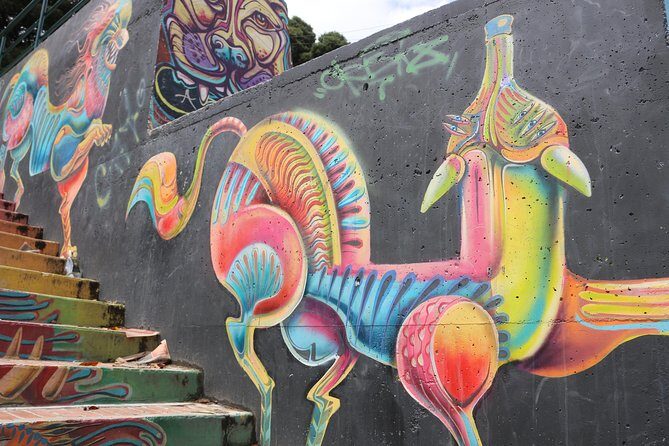
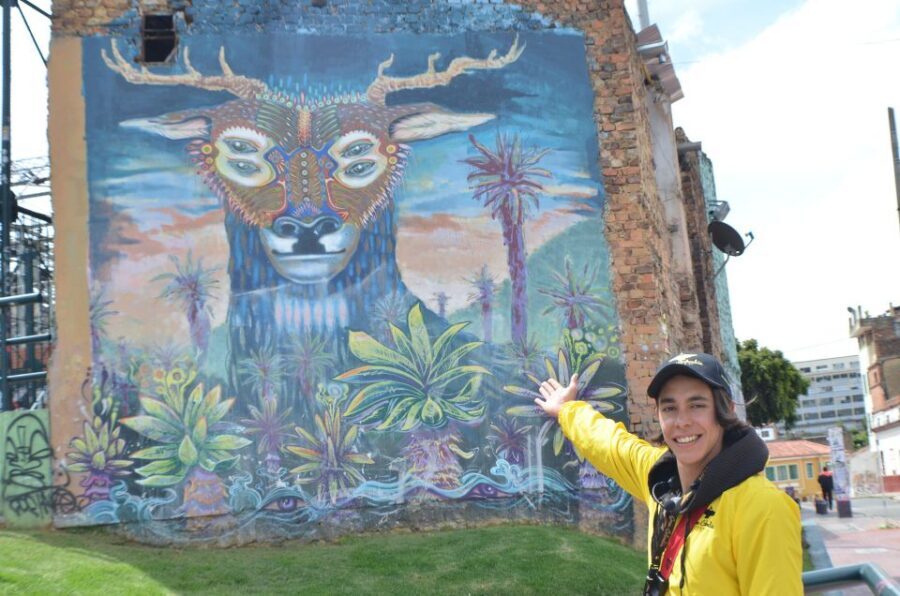
The tour kicks off at Chorro de Quevedo Square, a classic starting point for understanding how downtown Bogotá “thinks.” From here, you’ll learn about the city’s art history as it relates to graffiti, then see pieces by local artists such as Ledania and 3 Manos, Wosnan and Ocio4.
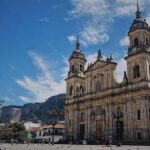
A short stop at Bolívar Square follows, with sightseeing and a quick context reset. Even if you’ve seen this area before, the benefit here is that the guide ties the surroundings back to why street art matters—who uses it, who resists with it, and how public spaces become canvases for debate.
The narrow street of indigenous ancestry: where the walls get specific
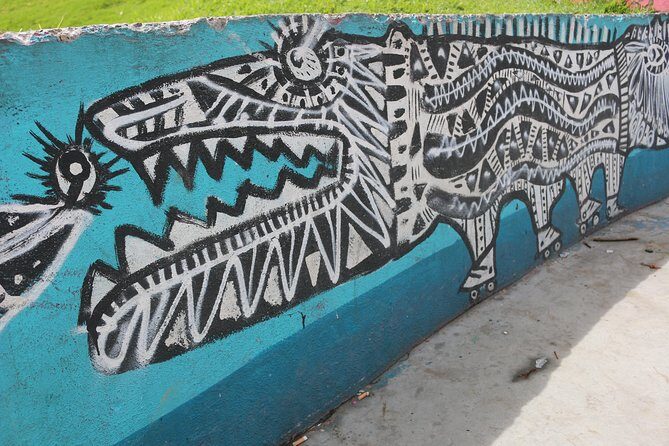
One stop is designed to hit you in the face—in a good way. You’ll visit a narrow street packed with graffiti that retells the indigenous ancestry of the city. Instead of treating murals like decoration, the guide frames the imagery as a way of preserving lineage and telling a story people in power might otherwise ignore.
This is also where you’ll start noticing patterns: recurring symbols, visual references, and how different artists communicate ideas with color and form. If you like reading art like a message, this segment is strong. If you prefer straight-up photos, you can still enjoy it—but you’ll get more out of it if you ask the guide what each visual is trying to say.
La Concordia marketplace and Park of La Concordia: downtown as a pressure cooker
Next comes La Concordia Park and La Concordia marketplace, described as an important tension spot—a meeting point and melting pot of ideas that helps define downtown Bogotá’s identity. That wording isn’t just poetic. It helps you understand why graffiti shows up here so often: when neighborhoods mix, culture collides, and people compete for space and attention, walls become storytelling surfaces.
On the walk through picturesque streets, you’ll keep spotting more graffiti along the way, so the art doesn’t feel like a single “photo stop.” It feels like part of the street itself. You’ll also see murals painted by artists including Wosnan and Ocio4, and you’ll get more context on how their work fits into the broader conversation.

Women artists: why this tour makes that the point
A standout theme is the focus on some of the best graffiti authored by women. The guide talks about their role in spreading this art form—who gets to be heard in public space, and how the visuals shift when different voices shape the message.
You’ll see works by artists like Bastardilla, Vera, Ledania, and Erre. Even if you’re not an art historian, you’ll walk away with a clearer idea of how representation changes the tone of street art. It’s also a reminder that graffiti isn’t only youth rebellion (though it can be). It’s a real creative practice, with people pushing style and meaning in different directions.
Journalists Park and the 1960s writer crowd: art across time
After La Concordia, you’ll follow the promenade toward Journalists Park. This is where the tour links graffiti to the city’s earlier culture: in the 1960s, journalists, poets, and writers used to gather here. That connection is smart, because it argues street art isn’t a random trend. It’s part of a long tradition of public writing and public commentary in Bogotá.
This portion is good for slowing down. You can take in the vibe of the area, but you’ll also be able to understand graffiti as a continuation—new methods of expression, same human impulse: say something, and make sure people see it.
Café Herencia finish with Carlos Trilleras murals
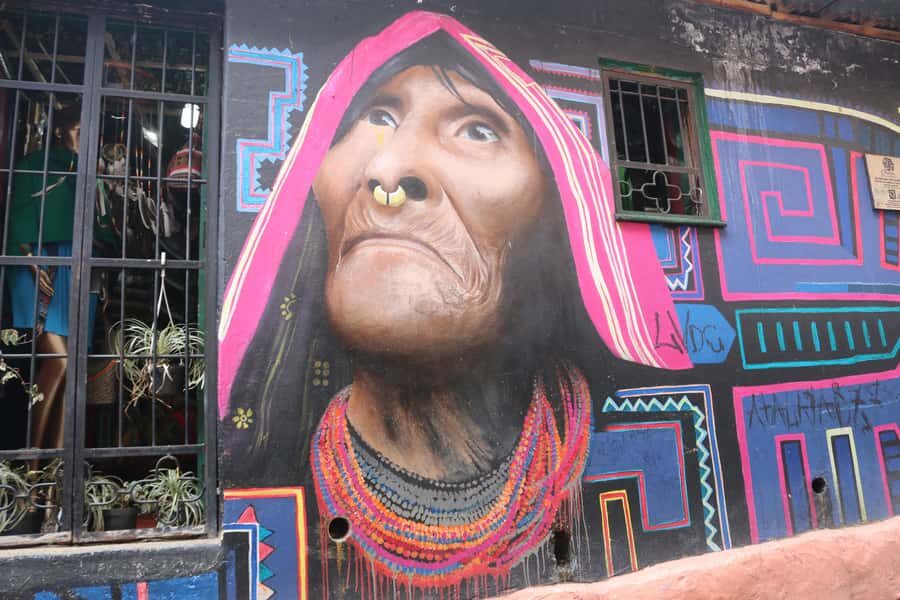
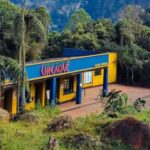
The tour ends at Café Herencia, where you can admire more artwork by Carlos Trilleras. Finishing in a café is practical—you get a place to regroup, review what you saw, and take a breather after walking.
It’s also a nice contrast. Earlier, the art was in the middle of street life. Here, the murals feel like part of a curated community space. If you’re the type who likes to understand the boundaries between art and everyday life, this ending helps the whole tour feel coherent.
Coca leaf tea: small stop, big cultural signal
A quick but memorable included touch is coca leaf tea tasting. It’s not a gimmick. It’s a cultural signal that Bogotá’s reality is bigger than postcards—people have long traditions tied to plants, wellbeing, and identity.
Even if you don’t drink tea back home, this is worth trying once. It gives you a tiny, honest moment of local practice while you’re learning why artists are writing messages on the city’s walls in the first place.
Price and value: what $48 buys you in Bogotá time
At $48 per person for about 3 hours, the value is mainly in the full package: tour guide, hotel pickup and drop-off, private transportation, coca leaf tea, and insurance. In a city where getting around can eat time, the transport piece is a big part of why this feels efficient.
You’re also paying for interpretation. Seeing graffiti on your own is easy. Understanding it takes a person who can connect symbols to context—who can point out how artists like Ledania, Wosnan, Ocio4, and Carlos Trilleras fit into the bigger story. That’s what you’re really buying with the guide.
A couple of practical considerations
A couple of past experiences mention that the tour can feel a bit fast or that the drive style may vary by day—so if you’re sensitive to driving, let your guide know early. Also, one message noted a shorter-than-expected duration; I’d still plan on a full 3 hours, and treat any schedule timing as a street-level reality in downtown.
Who should book—and who might prefer something else
This tour is ideal if you want street art with context: you like learning the meaning behind murals, not just taking pictures. It’s also great if you’re staying in or near downtown and want a smooth day that doesn’t require you to map out every corner.
If you’re only interested in art as decoration, you might find some segments more talk-heavy than you want. And because it runs rain or shine, this may not be the best choice if you absolutely hate walking in bad weather.
Should you book this La Candelaria graffiti tour?
If you like street art and you also want to understand why it exists, yes—this is a strong choice. The mix of specific artists, clear themes (indigenous ancestry, women artists, writers’ history), and the practical comfort of private transport makes it a well-balanced way to spend a short stay in Bogotá.
Book it if:
- You want meaning, not just images
- You appreciate guided context for public art
- You’d rather spend your time walking and asking questions than figuring logistics
Skip it (or pair it with another plan) if:
- You prefer long museum-style experiences over street-level storytelling
- You want zero walking and zero rain exposure
- You’re not interested in the socio-political side of graffiti
FAQ
How long is the graffiti tour in La Candelaria?
It lasts 3 hours total.
Where does the tour start?
The tour starts at Chorro de Quevedo Square in La Candelaria.
Is hotel pickup and drop-off included?
Yes. Hotel pickup and drop-off are included.
Do I get private transportation?
Yes. The tour includes private transportation as part of the experience.
What languages is the live guide?
The guide offers live interpretation in English and Spanish.
Is coca leaf tea tasting included?
Yes. Coca leaf tea tasting is included.
What’s included in the price?
You get the tour guide, hotel pickup and drop-off, private transportation, coca leaf tea tasting, and insurance.
Is lunch included?
No. Lunch is not included.
Will the tour run in bad weather?
Yes. The tour takes place rain or shine.
Is this a private group tour?
Yes. It’s set up as a private group.