REVIEW · BOGOTA
Shared Tour of Bogota’s Historic Downtown (La Candelaria)
Book on GetYourGuide →Operated by Beyond Colombia · Bookable on GetYourGuide
One alley can change how you see Bogotá. This La Candelaria walking tour connects the city’s founding, Bolívar Square, and the 1948 tragedy El Bogotazo to real spots you can stand in front of. I love the clear, objective history focus and the fact that you might taste chicha from an ancestral tradition; the one downside is the long, uphill walk at altitude.
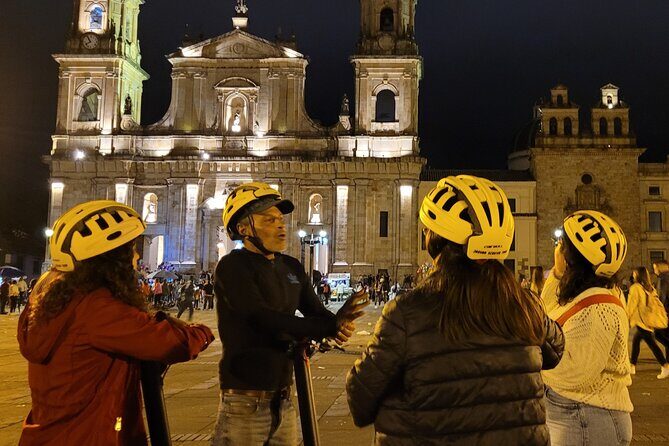
Meet in front of the Museo del Oro with Beyond Colombia and their red umbrellas, then follow your guide through Bogotá’s historic center with short stops to catch your breath. You’ll hear stories tied to named places, from Simón Bolívar’s main square to the Chorro de Quevedo area, plus practical context for what you’re looking at.
At $13 for about 150 minutes, this tour is a strong first-day value: you get orientation, context, and local food and culture pointers without ticket headaches. Just come ready for pavement, sun, and stairs.
In This Review
- Key highlights worth planning for
- Walking La Candelaria: where Bogotá’s big stories live
- Finding the meeting point fast: Museo del Oro and red umbrellas
- Simón Bolívar and Bolívar Square: the civic heart you can actually picture
- El Bogotazo and the Justice Palace siege: history with teeth
- Markets, myths, and everyday power: El Dorado, the False Door, and emerald commerce
- Chicha at Concordia: an ancestral drink you can taste
- El Embudo graffiti alley: art as memory and resistance
- Botero Museum area and Chorro de Quevedo: art and the city’s origin story
- The walk itself: distance, altitude, and staying comfortable
- Price and value: is $13 really enough?
- Who this tour is best for (and who should choose another plan)
- Should you book Beyond Colombia’s Historic Downtown walk?
- FAQ
- How long is the Beyond Colombia Shared Tour of Bogota’s Historic Downtown?
- What’s the meeting point?
- What’s the price?
- What languages are offered?
- Is chicha tasting included?
- How much walking should I expect?
- What should I bring?
- What’s not allowed during the tour?
- Is transportation included?
- Is it suitable for wheelchair users or people with mobility impairments?
- FAQ
- Can I cancel for a full refund?
- Does the tour include tickets or entrances?
- Do I need to pay everything upfront?
- Is there a private guide?
Key highlights worth planning for
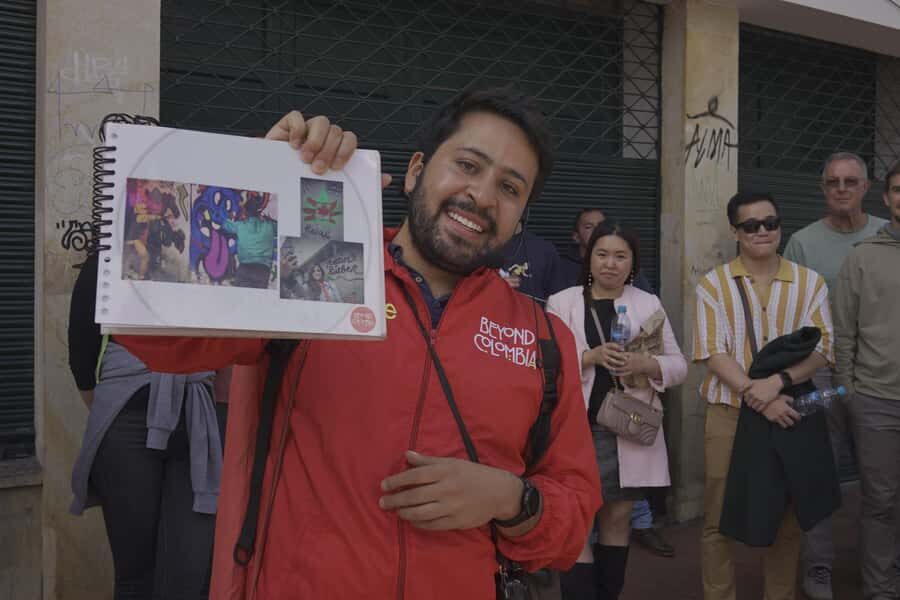
- Bolívar Square buildings: not just photos, but who built what and why it matters
- The Bogotazo (1948): street-level context around Jorge Eliécer Gaitán and the crisis
- Chicha tradition: tasting when available and learning where it fits in heritage
- Candelaria graffiti in El Embudo: art as memory and resistance
- Major landmarks with names: Justice Palace siege sites, Botero Museum area, and Chorro de Quevedo
Walking La Candelaria: where Bogotá’s big stories live
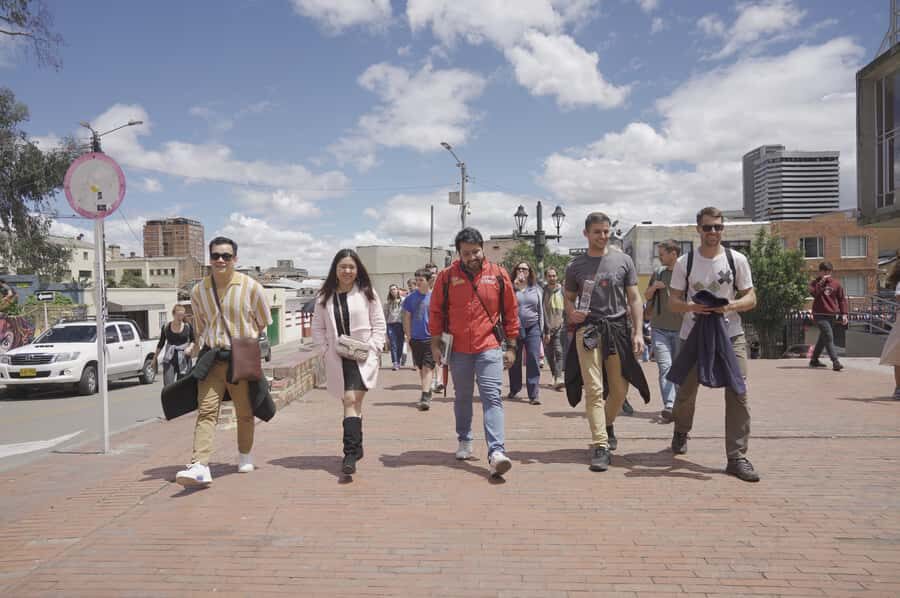
La Candelaria is the part of Bogotá that feels like a living timeline. You’re surrounded by colonial-era streets, 19th- and early-20th-century civic buildings, and later layers of political and cultural change. A good walking tour here matters because the history isn’t in a museum case. It’s on the corners.
This Beyond Colombia tour is built to give you that street-to-story connection. You start with Bogotá’s origin as Colombia’s capital and then move through the key moments that shaped the city’s identity—especially the period around El Bogotazo. Along the way, your guide connects the myths you’ll hear about Bogotá (like El Dorado) to the real geography and institutions that replaced fantasy with power.
One of the biggest reasons I like this approach for first-timers is that you’re not asked to memorize facts. You’re shown patterns: why the city grew where it did, how political events changed public spaces, and how today’s culture (including art and food) carries those older tensions.
You can also read our reviews of more historical tours in Bogota
Finding the meeting point fast: Museo del Oro and red umbrellas
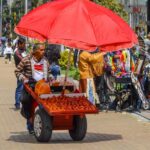
If you’re arriving on your own, the easiest way to avoid stress is to go to the obvious landmark first: you meet right in front of the Museo del Oro. Look for Beyond Colombia with their red umbrellas. That’s it. No maze. No guesswork.
This matters because the tour starts building momentum immediately. You’ll want to be on time so you can enjoy the full arc: early civic history, then the more intense political chapters, then the cultural moments—like the market stops and the art alleys.
Once you spot the group, you’ll also learn quickly that this is a shared tour. You’ll join other independent travelers, and you’ll get a lot out of the guide’s pacing and explanations during short rest stops. The pace is walking-first, listening-always.
Simón Bolívar and Bolívar Square: the civic heart you can actually picture
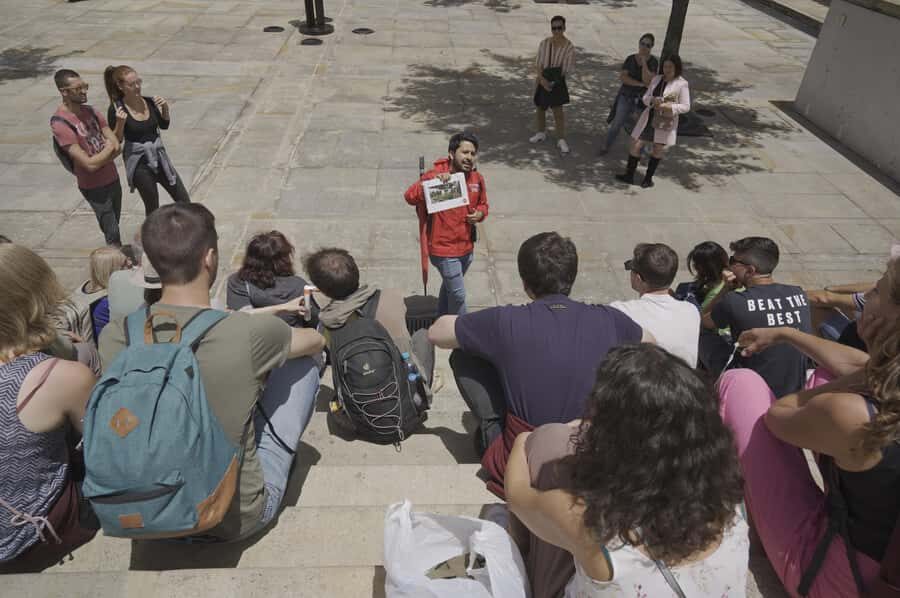
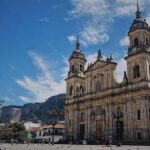
Your route places you at Simón Bolívar Main Square and Bolívar Square, the symbolic center of Colombian political life. This is one of those places where, if you only glance for a few seconds, you miss the logic behind the layout. A solid guide helps you read the building faces like a map.
Here’s what you’re set up to understand:
- Why this square is tied to Bogotá becoming the capital
- How the surrounding buildings reflect Colombia’s changing authority and civic identity
- How public space becomes a stage for both ceremony and conflict
Your guide also ties this setting to the bigger narrative of the country, not just Bogotá-as-an-island. That’s important because the city’s history is really national history in action—laws, leaders, and public institutions show up in the same few blocks again and again.
If you’re a fan of architecture and political history, this stop is your anchor. You’ll leave with a mental picture that makes later sites make sense.
El Bogotazo and the Justice Palace siege: history with teeth
No other part of Bogotá’s story hits as hard as the 1948 chaos known as El Bogotazo. This tour treats it seriously, and that’s exactly what you want. It’s also why the tour promises accurate and objective knowledge and a guide who won’t take sides. That tone helps you listen without feeling like the goal is to win an argument.
You’ll connect the riot to Jorge E. Gaitán—and to how a single political crisis escalated into something much bigger. The route also references the Justice Palace siege as part of the city’s long relationship with public institutions under pressure.
Practical note: this section isn’t just a lecture. It’s story + place. Standing in the general area where civic life and law sit side by side makes the events feel less abstract. Even if you don’t remember every date, you’ll understand the cause-and-effect theme.
One small drawback for some people: the topic is heavy, and the walk continues. If you’re sensitive to intense history, pace yourself, drink water on breaks, and don’t feel guilty about taking a breath when your guide pauses.
Markets, myths, and everyday power: El Dorado, the False Door, and emerald commerce
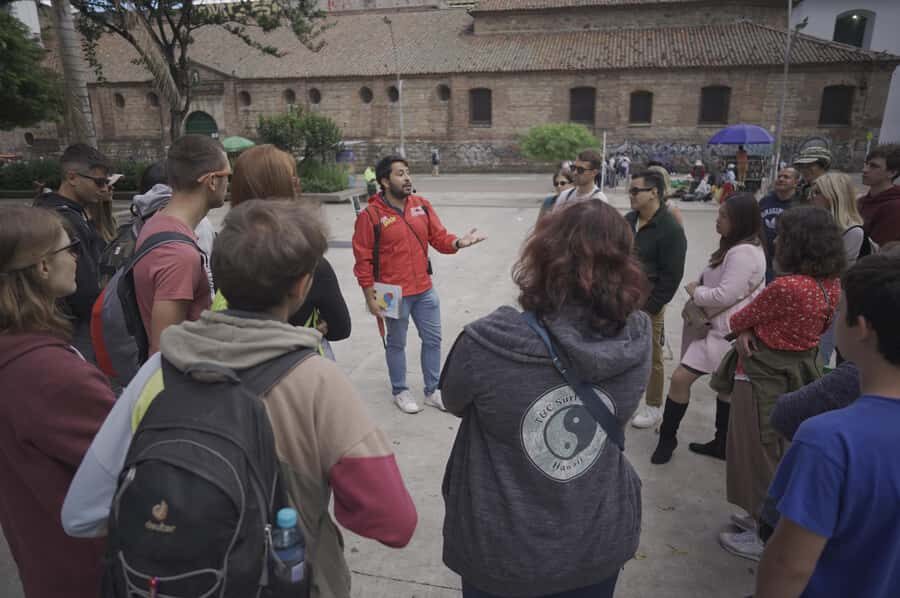
One of the more fun parts of the route is the way it mixes famous myths with street-level reality. You’ll hear the myth of El Dorado, then you’ll see how Bogotá’s market culture and commerce helped shape the city’s social fabric long before modern tourism took over.
You’ll also hear about the False Door. Even without a museum label, this kind of symbol matters because it shows how people used storytelling—religion, rumor, and urban legend—to explain power when official narratives weren’t enough.
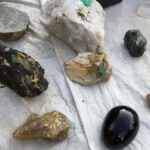
Then the tour touches the informal emerald market. That’s not just a market stop for shopping. The point is context: precious goods bring not only wealth but also networks, risks, and bargaining culture. Even if you don’t buy anything, you’ll understand why these streets feel different from the more polished civic blocks.
This section is good for you if you like learning how a city works day-to-day. It also adds variety after the heavier political chapter.


Chicha at Concordia: an ancestral drink you can taste
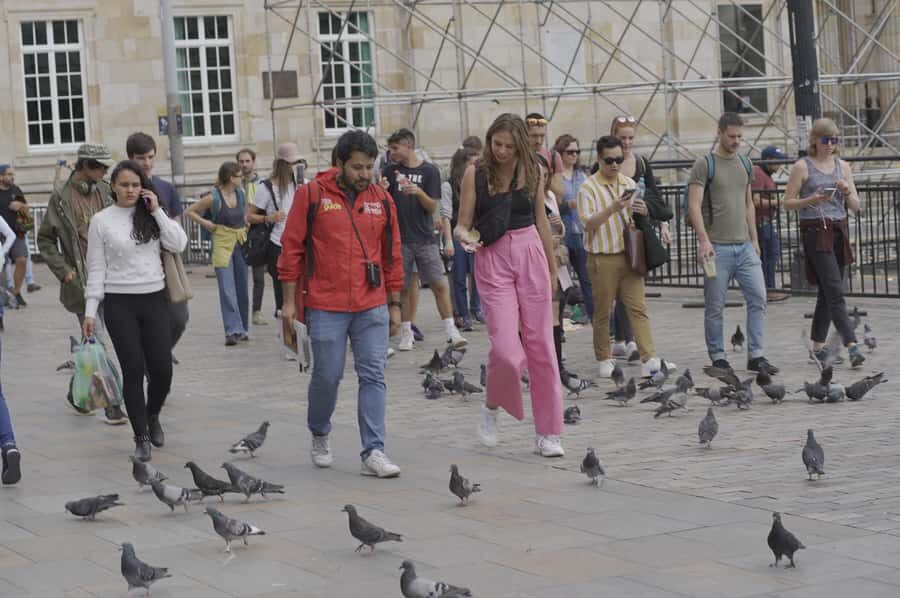
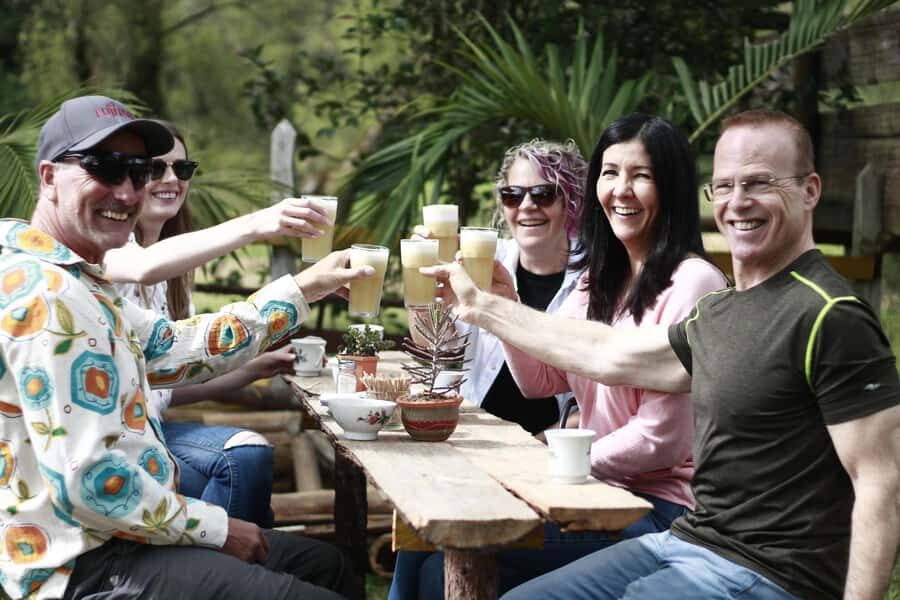
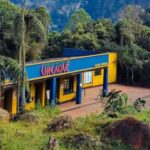
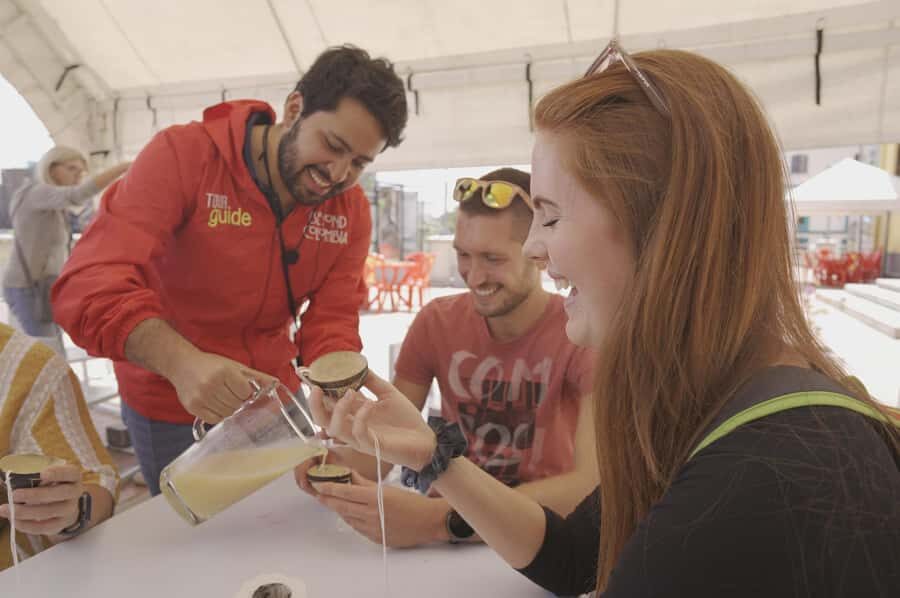
Food-and-drink history is where tours often get shallow. Here it’s treated as culture, not just a snack. You’ll learn about the history behind chicha, and there’s a chicha tasting stop at Concordia market when available.
Chicha isn’t presented as a gimmick. It’s framed as an ancestral drink and part of heritage, so you get the why before the sip. And tasting matters because it turns abstract heritage into something you can remember with your senses.
A practical note based on how this tour runs: if chicha tasting is available, it’s likely one of your main hydration/energy moments during the day. If it’s not available that day, you still get the cultural explanation; you just won’t have the tasting payoff.
Either way, this is a nice reminder that “historic downtown” isn’t only old buildings. It’s also ongoing traditions you can still see and smell and taste.
El Embudo graffiti alley: art as memory and resistance
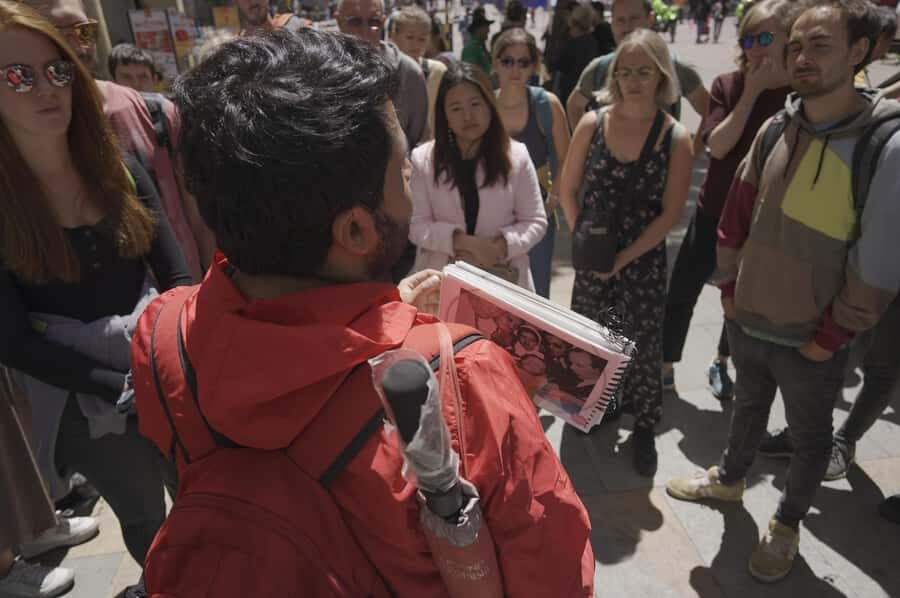
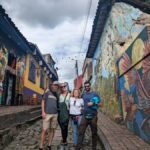
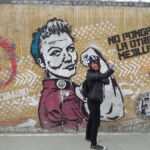
One of the most memorable things on the route is iconic graffitis of Candelaria in El Embudo alleyway. Street art here isn’t just decoration. The tour connects it to influence, technique, and resistance—basically, why people paint where they paint, and what they’re trying to hold onto.
If you like culture that feels current, this stop will click. You’re walking through political history and then you see a visual language that keeps responding to it. It’s a smart transition: after the heavy stories, you get something creative, graphic, and human.
Also, Candelaria graffiti can be a great photo moment—but the tour reminds you that flash photography isn’t allowed. Bring a camera you can use quickly in lower light, and be ready to frame without flash.
Botero Museum area and Chorro de Quevedo: art and the city’s origin story
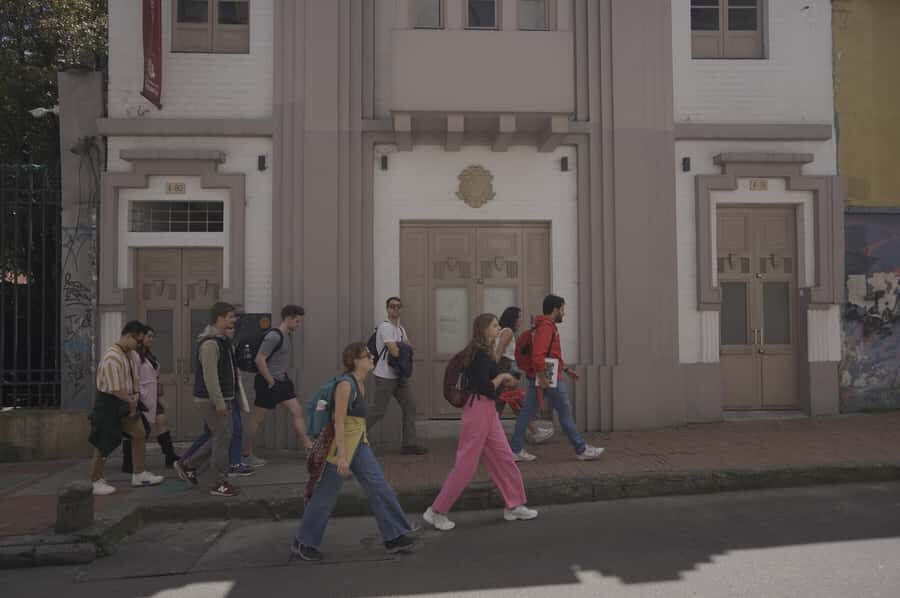
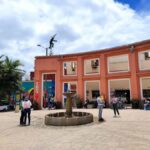
The tour also includes the Botero Museum + Cultural Square area and time near the Chorro de Quevedo foundation square.
Why these stops work:
- Botero is art with personality, so your history lesson lands with emotion, not just facts.
- Chorro de Quevedo ties into the idea of Bogotá’s beginnings, so it balances the later civic/political drama with earlier foundations.
Even if you don’t enter every museum space, the value is that the guide helps you read what’s around you. Cultural squares are designed for gathering and display; foundation areas tell you how the city imagined itself when it was still finding its footing.
This is also where you’ll likely notice the mix of old and new: traditional architecture nearby, modern street life around it, and art changing the mood block by block.
The walk itself: distance, altitude, and staying comfortable
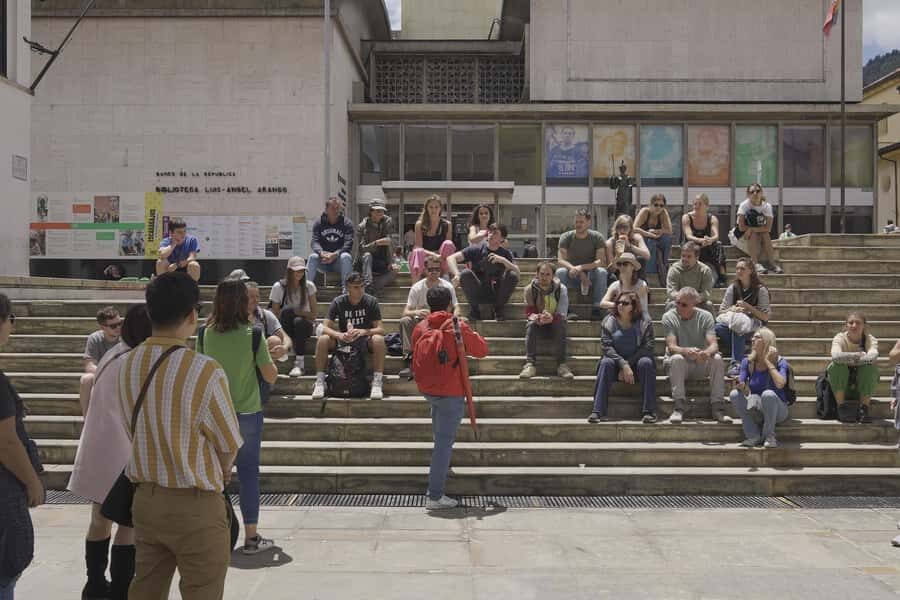
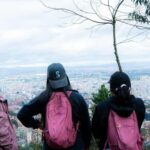
This is a walking tour. The good news is it’s paced with rest stops and takes about 150 minutes. The part you need to take seriously is the physical side: you’ll walk roughly 7 km with some uphill sections.
One practical consideration that comes up for many people is the altitude and climbing. Bogotá sits high, and when the route turns uphill, your body feels it fast. If you’re not used to that, plan to slow down when your guide asks everyone to keep moving.
What to bring makes sense:
- Comfortable shoes (non-negotiable)
- Water or your preferred hydration
- Sunscreen and a hat
- A camera
You’ll thank yourself when the sun hits exposed stone.
Also remember: umbrellas/capes aren’t the best choice for crowded sidewalks. Bring a rainproof layer instead if weather looks iffy.
Price and value: is $13 really enough?
For many cities, a 3-hour historic walking tour can cost way more than you’d expect. Here you’re paying $13 per person for a guide, essential historic stops in Candelaria, and a structured route with context.
Where the value really shows:
- You’re not just touring buildings; you’re getting explanations tied to the story arc of the city.
- The guide aims for objective history, which matters for topics like El Bogotazo.
- You may get chicha tasting when available.
- You also get discounts with recommended partners by showing the wristband given at the end of the tour.
- You leave with practical recommendations for lunch, coffee, and souvenirs through local allies.
What you should not expect: tickets and entrances. The tour says it won’t push you into places with sudden extra charges. That’s another value point, because it keeps the total cost predictable.
Who this tour is best for (and who should choose another plan)
This tour is a strong fit if:
- It’s your first or early visit to Bogotá and you want orientation fast
- You like history that connects names, institutions, and street-level context
- You enjoy cultural stops like markets, chicha, and street art
- You want to ask questions and get context, not just listen to a script
It’s not suitable if you have mobility impairments or use a wheelchair, since it’s a walking route with substantial walking.
Also, if you already know you want a quiet afternoon and minimal stairs, this may feel like a lot. But if you’re up for a structured walk, you’ll get your money’s worth quickly.
Should you book Beyond Colombia’s Historic Downtown walk?
Yes, if you want a practical way to understand Bogotá beyond postcards. The tour’s blend of Bolívar Square, the heavy storyline of El Bogotazo, and the lighter cultural moments like Concordia chicha and El Embudo graffiti makes it feel like one coherent city story instead of random stops.
I’d book it on day one or day two so the rest of your trip makes more sense. Wear your best walking shoes, bring water, and don’t try to power through when the altitude hits. If you do that, you’ll come away with a Bogotá you can picture—and explain—to your future self.
FAQ
How long is the Beyond Colombia Shared Tour of Bogota’s Historic Downtown?
It lasts about 150 minutes (around 3 hours).
What’s the meeting point?
Meet right in front of the Museo del Oro with Beyond Colombia’s red umbrellas.
What’s the price?
The tour is $13 per person.
What languages are offered?
The tour guide speaks English and Spanish.
Is chicha tasting included?
Chicha tasting is included when available.
How much walking should I expect?
You’ll walk about 7 km, with some resting stops along the way.
What should I bring?
Bring comfortable shoes, a hat, a camera, sunscreen, and water (or your preferred hydration).
What’s not allowed during the tour?
Smoking and flash photography aren’t allowed.
Is transportation included?
No. Transportation to and from your hotel and transportation on the tour are not included. The tour is walking with resting stops.
Is it suitable for wheelchair users or people with mobility impairments?
No. It’s not suitable for people with mobility impairments or wheelchair users.
FAQ
Can I cancel for a full refund?
Yes. You can cancel up to 24 hours in advance for a full refund.
Does the tour include tickets or entrances?
Tickets or entrances are not included. The tour won’t take you to places with sudden extra charges.
Do I need to pay everything upfront?
No. You can reserve now and pay later.
Is there a private guide?
No. It’s a shared tour, not an exclusive tour guide.